
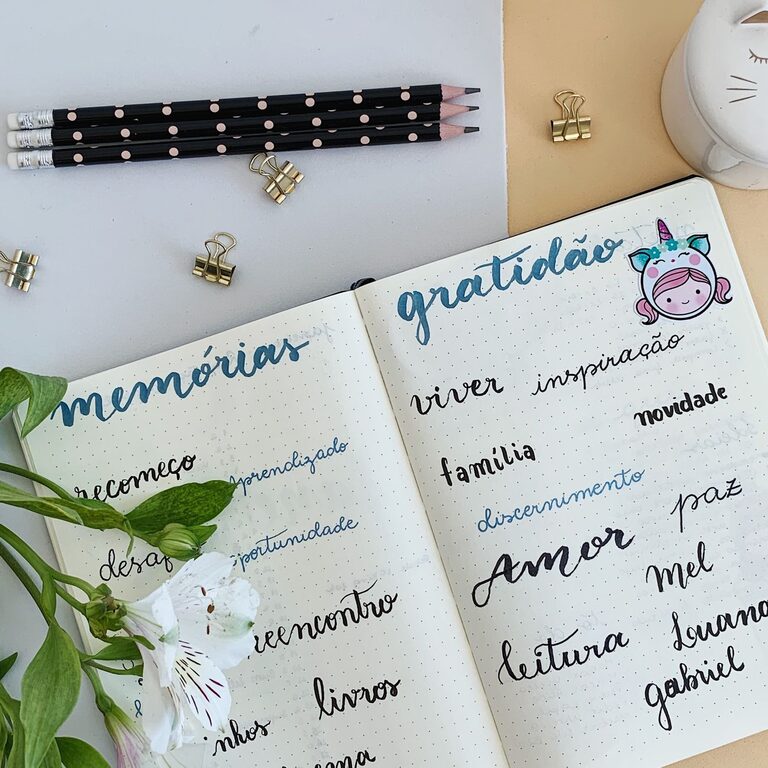
Starting a gratitude journal is a simple yet powerful way to boost your happiness and well-being. By regularly writing down things you are thankful for, you can shift your focus away from stress and negativity toward appreciation and positivity. This practice can improve your mood, reduce anxiety, and help you notice the good in your daily life. If you’re ready to begin your own gratitude journal but aren’t sure how, this guide will walk you through everything you need to know.
What is a Gratitude Journal?
A gratitude journal is a dedicated notebook or digital document where you write about things you appreciate or feel thankful for. These can be big or small moments, people, experiences, or even simple pleasures. Keeping this journal consistently encourages a habit of reflecting on positive aspects of your life.
Benefits of Keeping a Gratitude Journal
Before diving into how to start one, it’s helpful to understand why gratitude journaling is beneficial:
– Improves mental health: Regularly acknowledging what you’re grateful for can reduce feelings of stress, anxiety, and depression.
– Enhances happiness: Gratitude helps you focus on positive experiences, boosting overall mood.
– Improves sleep: Reflecting on good things before bed can promote more restful sleep.
– Strengthens relationships: Recognizing kindness in others fosters stronger social bonds.
– Builds resilience: Gratitude encourages a more optimistic outlook when facing challenges.
Choosing Your Gratitude Journal Format
You can personalize your journal in a way that feels most comfortable and enjoyable. Here are some popular options:
– Traditional paper journal: A physical notebook dedicated solely to your gratitude entries.
– Digital journal or app: Many apps and digital documents allow easy, on-the-go journaling.
– Bullet journal: Incorporate gratitude lists or sections within a larger bullet journal.
– Voice notes: For those who prefer speaking, recording audio gratitude entries works well.
Pick the format that feels easiest and most motivating for you.
How Often Should You Write?
Decide on a journaling schedule that is sustainable. Many people find that writing daily or several times a week works best. Even just a few minutes a day can make a difference.
Try setting a specific time for journaling, such as:
– In the morning to start your day positively
– Before bed to reflect on the day
– Whenever you need a mood boost
Consistency, more than duration, matters most.
Tips for Writing in Your Gratitude Journal
1. Be Specific
Instead of writing general statements like “I’m thankful for my family,” try to specify what exactly you appreciate. For example: “I’m grateful for my sister calling me today and making me laugh.”
2. Include Details
Adding details helps deepen your reflection and makes the journal more meaningful. Describe how something made you feel or why it mattered to you.
3. Focus on the Present
Concentrate on things you are grateful for right now. Avoid worrying about what you don’t have or dwelling on past regrets.
4. Mix it Up
Write about different topics to keep the practice fresh. This could include:
– People
– Experiences
– Nature
– Personal qualities you appreciate about yourself
– Small moments, like a warm cup of coffee or a sunny day
5. Keep it Positive
The journal is a space for positivity, so focus on uplifting and thankful thoughts.
Sample Gratitude Journal Entry
Here’s an example to inspire your own entries:
Today, I’m grateful for the kindness of a stranger who held the door open for me at the grocery store. It reminded me that small acts can brighten someone’s day. I’m also thankful for the delicious dinner I cooked, which made me feel proud of my cooking skills.
Overcoming Common Challenges
Trouble Finding Things to Be Grateful For?
It’s normal to have days when gratitude feels hard. On those days, try:
– Starting small, such as appreciating the roof over your head or clean water.
– Reflecting on times in your life when things were better.
– Shifting focus to simple senses like the warmth of the sun or the sound of birds.
Forgetting to Write
Set reminders on your phone or pair journaling with another daily habit like brushing your teeth or having morning coffee.
Being Too Hard on Yourself
Don’t stress about perfect entries. Even short, simple notes count. The goal is progress, not perfection.
Encouraging Others
Sharing your gratitude practice with friends or family can create a positive feedback loop. You might even start a gratitude journal group or swap entries for added motivation.
Final Thoughts
Starting a gratitude journal doesn’t require special skills or much time—just a little intention and consistency. By making a daily habit of noticing and writing down what you appreciate, you’ll invite more joy, peace, and positivity into your life. Whether you write a sentence or a page, each entry is a step toward a happier mindset.
Give it a try today and watch how your perspective begins to shift.
—
Remember, gratitude grows with practice. Be patient and kind to yourself as you develop this rewarding habit. Happy journaling!