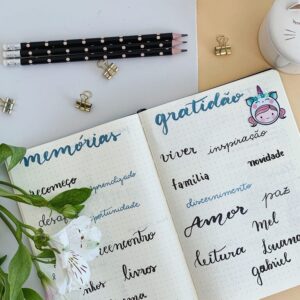

Journaling is a simple yet powerful habit that can positively influence your mental clarity, creativity, and personal growth. If you’ve been thinking about starting a daily journaling practice but aren’t sure where to begin, this beginner guide will walk you through everything you need to know to get started and stay consistent.
Why Journal Every Day?
Journaling every day offers many benefits:
– Improves mental clarity: Writing your thoughts helps organize your mind and reduces stress.
– Boosts creativity: Regular writing encourages new ideas and self-expression.
– Tracks progress: Journals serve as a personal record of goals, accomplishments, and challenges.
– Enhances self-awareness: Daily reflection promotes better understanding of your emotions and behaviors.
– Supports emotional health: Putting feelings into words can be therapeutic and calming.
By making journaling a regular habit, you can experience these benefits in both small and meaningful ways.
Choosing Your Journaling Tools
Before you start, decide what tools feel right for you:
Physical Journals
– Notebooks: Available in many sizes and styles; choose one that inspires you.
– Pens: Find a pen that’s comfortable to write with and flows well.
– Extras: Stickers, colored pens, or tabs can make journaling more enjoyable.
Digital Journals
– Apps: Many journaling apps help organize entries and provide prompts.
– Documents: Simple blank documents or notes apps work well if you prefer typing.
– Voice Journals: For those who like to speak instead of write, voice recording apps can be useful.
Choose the method you feel most comfortable with to encourage consistency.
Setting Up Your Journaling Routine
Creating a daily habit is easier with a clear routine. Here’s how to get started:
1. Pick a Time and Place
Decide when and where you’ll journal each day. Some popular times include:
– Morning, to set intentions for the day
– Evening, to reflect on daily experiences
– Lunch breaks, for a quick mental reset
Choose a quiet, comfortable spot where you won’t be disturbed.
2. Start Small
Begin with just 5 minutes per day—this makes the habit manageable. You can write a few sentences or bullet points.
3. Use Prompts if Needed
If you don’t know what to write, prompts can help, such as:
– What made me happy today?
– What challenges did I face?
– What am I grateful for?
– What are my goals for tomorrow?
4. Keep It Private and Judgment-Free
Remember, your journal is for you. Don’t worry about grammar, spelling, or perfection. Write freely and honestly.
5. Track Your Progress
Consider marking days on a calendar or using habit-tracking apps to stay motivated.
Different Styles of Journaling to Explore
There’s no one right way to journal. Try out these types and see what resonates:
Free Writing
Write whatever comes to mind without stopping or editing. This stream-of-consciousness method can reveal hidden thoughts.
Gratitude Journaling
List things you’re thankful for each day to cultivate positivity.
Goal Tracking
Record your goals, action steps, and progress. Reflect on what’s working and what needs adjustment.
Reflective Journaling
Write about your feelings, experiences, and lessons learned to deepen self-awareness.
Bullet Journaling
Use bullet points, symbols, and short notes to organize tasks, ideas, and reminders.
Tips to Stay Consistent with Daily Journaling
– Keep your journal visible: Place it somewhere you’ll see it often.
– Set reminders: Alarms or calendar notifications can prompt you to write.
– Be flexible: If you miss a day, don’t give up. Just start again the next day.
– Celebrate milestones: Reward yourself after a week or month of consistent journaling.
– Join a community: Sharing experiences with others can provide encouragement.
Final Thoughts
Daily journaling is a mindful practice that anyone can develop. By setting realistic goals, choosing tools you enjoy, and creating a routine, you’ll find that putting pen to paper (or fingers to keys) becomes a rewarding part of your day. Over time, journaling can nurture your creativity, emotional health, and personal growth in ways you might not expect.
So grab a notebook or open a new document, and start your journaling journey today!