
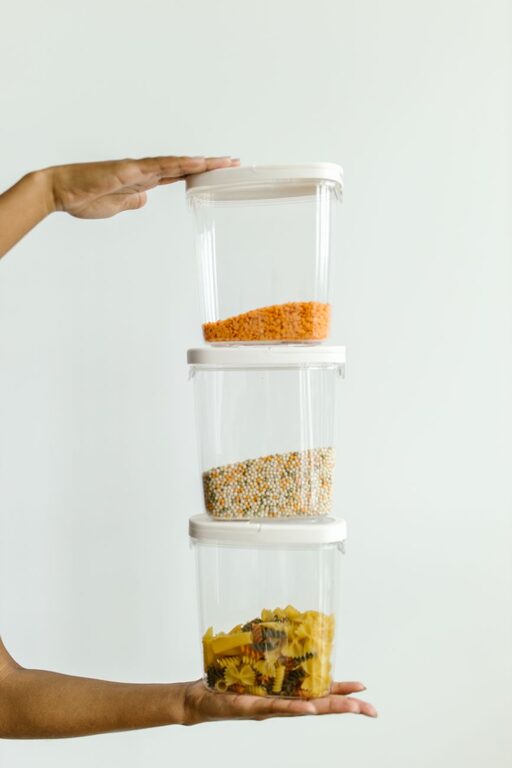
Planning meals based on what you already have in your pantry is a smart way to save time, money, and reduce food waste. Whether you’re aiming for quick weeknight dinners or batch cooking for the week, using pantry staples can help you create nutritious and flavorful meals without needing a long grocery list. This guide will walk you through how to organize your pantry, plan meals effectively, and use basic ingredients to make a variety of dishes.
Why Plan Meals from Pantry Staples?
Pantry staples include dry goods, canned items, and long-lasting ingredients you commonly keep on hand. Planning meals with these items offers several benefits:
– Convenience: You can whip up meals without running to the store.
– Budget-friendly: Using what you already have helps avoid buying extra food.
– Less waste: Meal planning helps use ingredients before they expire.
– Creativity: Improvising with pantry staples encourages trying new recipes.
Step 1: Take Inventory of Your Pantry
Before you start meal planning, it’s important to know exactly what you have. Take a few minutes to:
– Remove expired or stale items.
– Group items by type (grains, canned goods, spices, baking ingredients).
– Make a list or use an app to track quantities and types of staples.
Common pantry staples might include:
– Rice, pasta, quinoa, or couscous
– Canned beans, tomatoes, vegetables, or broth
– Oils (olive, vegetable), vinegar, and sauces
– Flour, sugar, baking powder, and spices
– Nut butters, nuts, and dried fruits
Having a clear inventory prevents buying duplicates and helps you plan balanced meals.
Step 2: Identify Meal Building Blocks
A good meal typically includes:
- **Protein**: Beans, lentils, canned tuna or salmon, nuts, seeds
- **Carbohydrates**: Rice, pasta, quinoa, potatoes, bread
- **Vegetables**: Fresh when available, or canned/frozen options
- **Fats**: Oils, butter, avocado, or nuts
- **Flavorings**: Spices, herbs, garlic, onions, sauces
Look at your pantry staples and decide what combinations you can make that cover these building blocks.
Step 3: Choose Recipes or Create Your Own
Start with simple recipes that revolve around pantry staples. Here are some ideas:
– Rice and Beans Bowl: Cook rice and top with canned beans, sautéed onions, spices, and a dollop of yogurt or salsa.
– Pasta with Tomato Sauce: Use canned tomatoes, garlic, olive oil, and dried herbs for a homemade sauce.
– Lentil Soup: Combine lentils, broth, canned or fresh vegetables, and seasonings for a hearty soup.
– Chickpea Curry: Use canned chickpeas, coconut milk (or broth), curry spices, and rice.
– Tuna Salad: Mix canned tuna with mayonnaise or olive oil, add chopped onions and herbs, serve on bread or crackers.
If you prefer creating your own meals, use your pantry inventory and try mixing and matching ingredients. For example, if you have canned tomatoes, rice, and canned beans, you can make a Spanish-style rice dish by sautéing onions and garlic, adding spices, then cooking the rice alongside the beans and tomatoes.
Step 4: Plan Your Week
Draft a simple meal plan for the week based on your pantry staples and any fresh ingredients you have or plan to buy. Tips for effective planning include:
– Double up: Prepare larger batches to have leftovers for lunch or dinner another day.
– Incorporate fresh produce: Use fresh fruits and vegetables to round out meals.
– Balance your meals: Ensure you include protein, carbs, and vegetables each day.
– Be flexible: Leave room to swap meals if you discover other ingredients or have cravings.
Example 3-day plan using pantry staples:
| Day | Meal Idea |
|————|———————————|
| Monday | Pasta with tomato sauce and canned vegetables |
| Tuesday | Rice and bean bowl with sautéed veggies |
| Wednesday | Lentil soup with bread |
Step 5: Stock Your Pantry Thoughtfully
Having a well-stocked pantry makes meal planning easier. Consider adding or replenishing these staples:
– Various types of dried or canned beans and lentils
– Canned tomatoes and broth bases
– A selection of cooking oils and vinegars
– Whole grains like rice, pasta, and quinoa
– Basic spices: salt, pepper, garlic powder, paprika, cumin, dried herbs
– Baking essentials like flour, baking powder, and sugar
Remember to rotate older items to the front and keep your pantry organized for easy access.
Tips for Success
– Keep a list: Maintain a running list of pantry items so you can plan meals quickly.
– Try meal prep: Prepare some ingredients or meals in advance to save time.
– Use versatile staples: Staples like canned beans and rice can be adapted into many different dishes.
– Add fresh touches: Fresh herbs, a squeeze of lemon, or a sprinkle of cheese can elevate simple pantry-based meals.
– Experiment with spices: Changing spices can transform the flavors of the same ingredients.
Conclusion
Meal planning using pantry staples is a practical way to reduce stress around cooking, save money, and minimize food waste. With a little organization and creativity, your pantry can become a treasure trove of tasty meal possibilities. Start by taking inventory, identifying meal components, and gradually building a routine that works for you. Before long, you’ll find meal planning from your pantry is both efficient and enjoyable.
Happy cooking!